On this page
What are varicose veins?
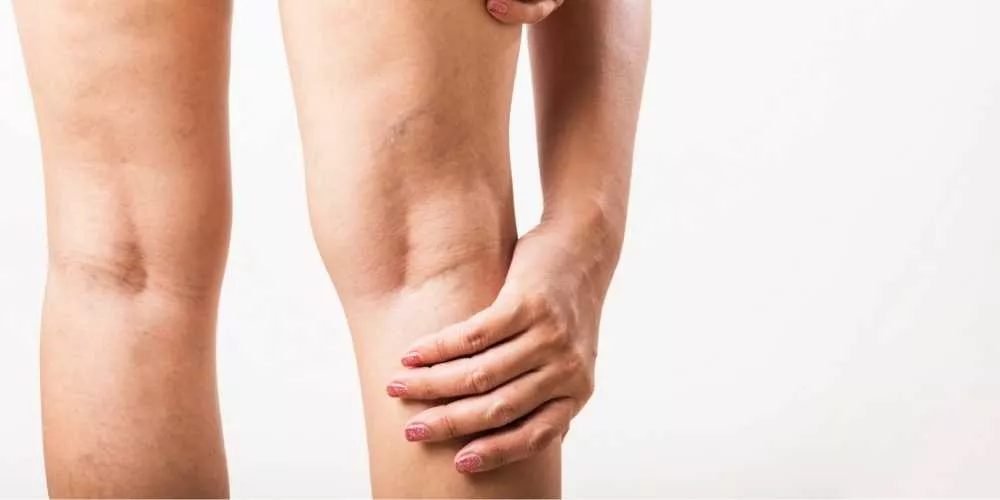
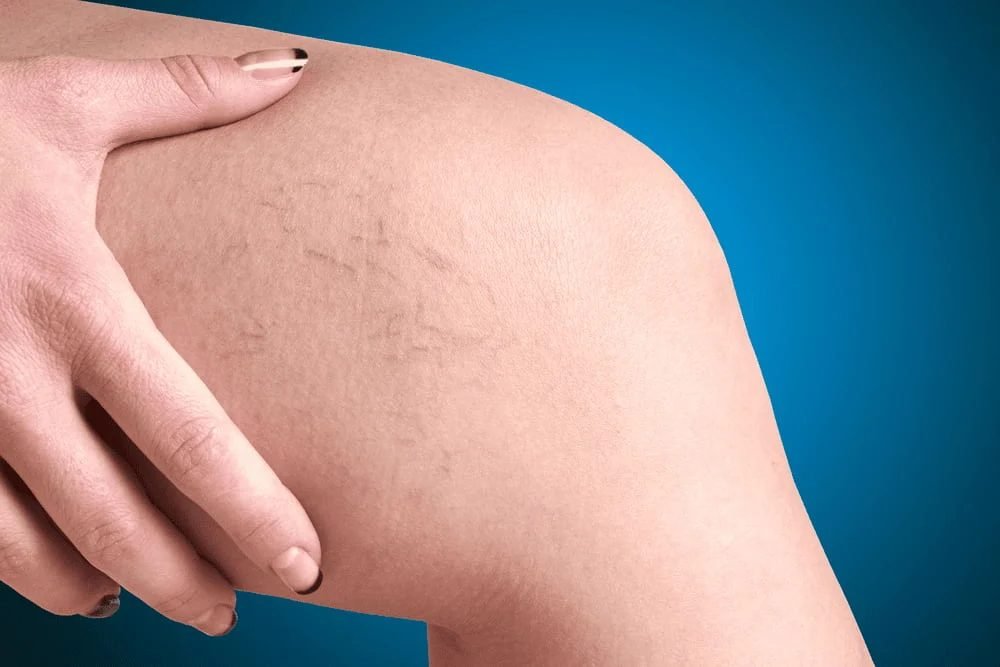
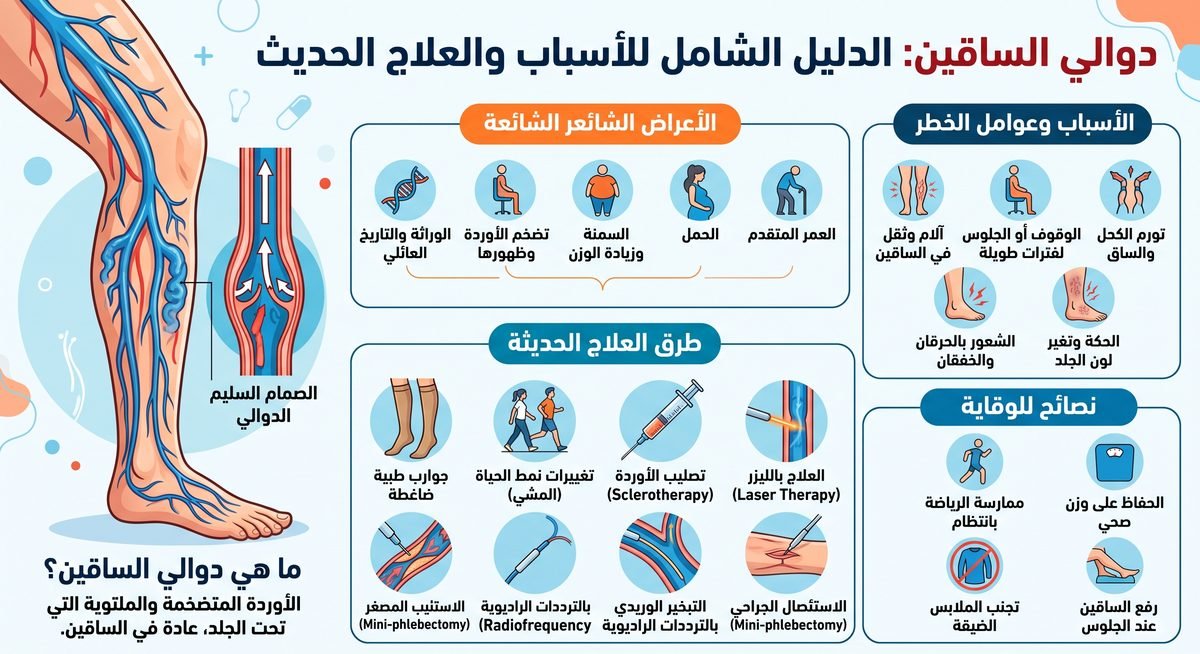
Varicose veins are enlarged, twisted veins visible under the skin, usually on the legs. They develop when the valves inside the veins that keep blood flowing up towards the heart weaken, so blood pools, pressure in the vein rises and it gradually dilates.
They range from small superficial spider veins to large raised veins that cause troublesome symptoms.
Causes and risk factors
Several factors increase the risk of varicose veins:
- Prolonged standing or sitting: increases pressure in the leg veins.
- Heredity: a family history raises the likelihood.
- Pregnancy and hormones: affect the vein walls.
- Excess weight and ageing: reduce vein elasticity.
Symptoms that deserve attention
Varicose veins may start with mild heaviness, tired legs and slight swelling, progressing to itching, night cramps and skin discolouration. In advanced cases ulcers that are hard to heal may appear, requiring a vascular specialist.
Modern treatment options
Treatment has evolved and surgery is no longer the only option:
- Lifestyle change and compression stockings: for mild cases.
- Sclerotherapy injections: for small and spider veins.
- Laser and radiofrequency ablation: closes the diseased vein without major surgery.
- Surgery: for advanced cases when needed.
Preventing varicose veins
- Avoid standing or sitting for long periods.
- Exercise and walk regularly.
- Raise your legs when resting.
- Maintain a healthy weight.
Frequently asked questions
Are varicose veins dangerous?
Most are not, but they can lead to complications if neglected.
Is laser treatment painful?
It is a simple procedure with minimal pain and a short recovery compared with surgery.
Do varicose veins come back after treatment?
New veins may appear, but good care and a healthy lifestyle reduce this.
When should I see a doctor?
When pain, swelling or skin discolouration appears.
Varicose veins are not just about appearance — neglect can lead to complications, and early treatment is simpler and more effective.
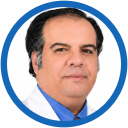
Prof. Ahmed Samir Hosny
Professor of Vascular & Endovascular Surgery — Kasr Al Ainy, Cairo University
Professor of Vascular & Endovascular Surgery at Kasr Al Ainy, Cairo University. Fellowship in peripheral endovascular interventions (Kiel, Germany) and aortic surgery fellowship (Cologne, Germany); Member of the Royal College of Surgeons of Edinburgh.
Meet the doctor