On this page
What is deep vein thrombosis?
A clot forms inside a deep vein because of slow blood flow, an increased tendency to clot, or injury to the vein wall. The danger is that part of it may break off and travel to the lungs.
Warning symptoms
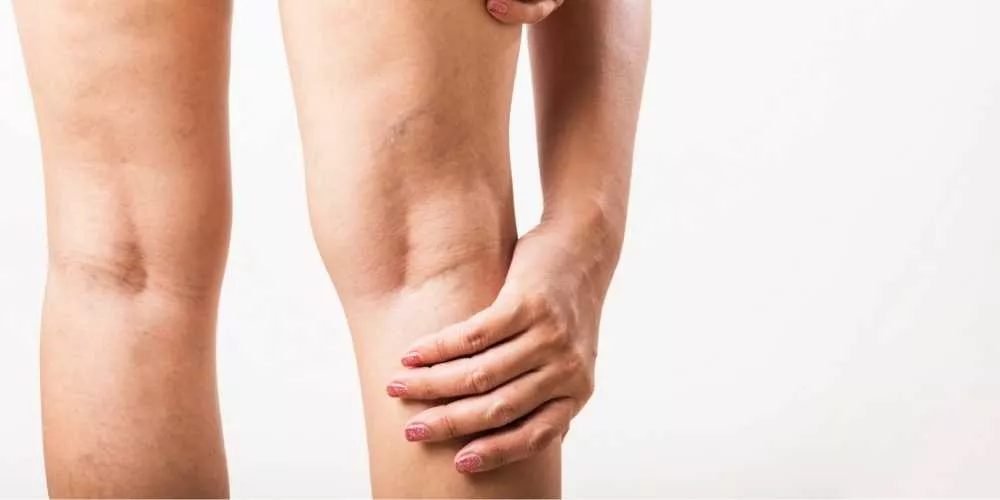
- Sudden swelling of one leg.
- Pain or tightness in the calf.
- Redness or change in skin colour.
- Local warmth over the affected area.
Risk factors
The risk rises with prolonged sitting or bed rest (long journeys, after surgery), pregnancy, certain medications, obesity and inherited clotting disorders.
Treatment and prevention
Treatment relies on anticoagulants to stop the clot growing and new clots forming, and selected cases may need a catheter procedure. Prevention includes regular movement, compression stockings and avoiding long periods of sitting.
- Move regularly, especially on long trips.
- Drink enough water.
- Follow your doctor’s instructions after surgery.
- Use compression stockings when advised.
Frequently asked questions
Is DVT dangerous?
Yes, because it may travel to the lungs, so it needs urgent treatment.
How long does treatment last?
It varies; anticoagulation may continue for months.
Can it come back?
It can recur, so prevention and follow-up are important.
When should I seek help immediately?
With sudden shortness of breath or chest pain — this may be a pulmonary embolism.
Sudden swelling of one leg with pain may be a DVT — do not ignore it.

Prof. Ahmed Samir Hosny
Professor of Vascular & Endovascular Surgery — Kasr Al Ainy, Cairo University
Professor of Vascular & Endovascular Surgery at Kasr Al Ainy, Cairo University. Fellowship in peripheral endovascular interventions (Kiel, Germany) and aortic surgery fellowship (Cologne, Germany); Member of the Royal College of Surgeons of Edinburgh.
Meet the doctor