On this page
What is peripheral angioplasty?
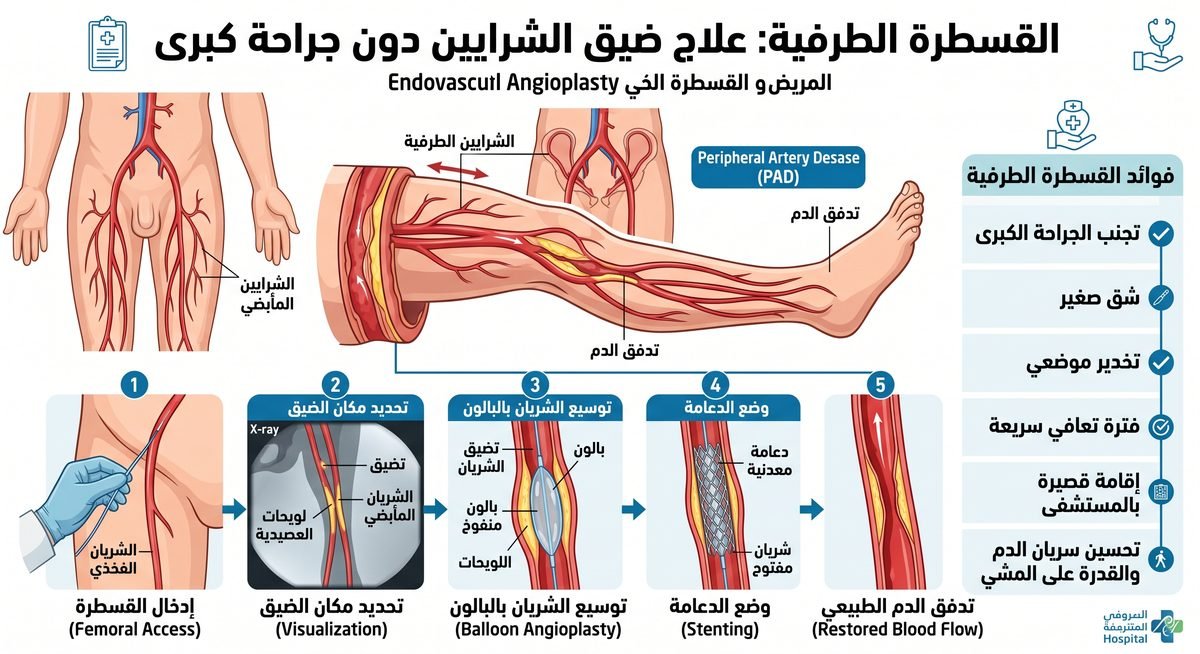
Peripheral angioplasty is a precise procedure to open narrowed or blocked arteries in the limbs, especially the legs. A thin, flexible tube is introduced through a small puncture in the artery and guided to the narrowing under X-ray, then the artery is widened with a balloon or held open with a stent.
When is it used?
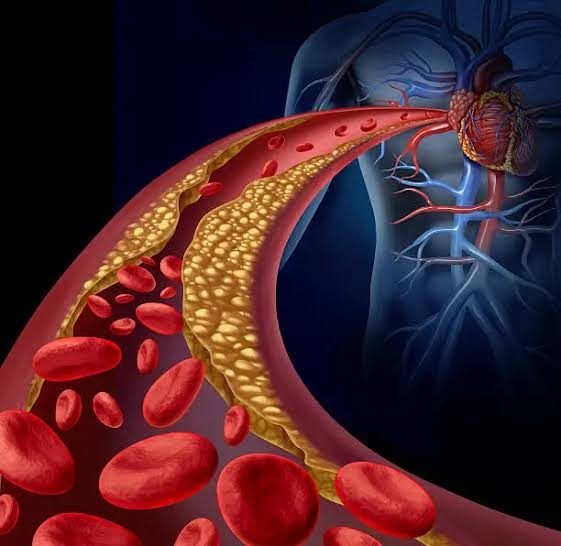
It is used to treat narrowed leg arteries causing pain on walking, poor circulation in people with diabetes, and blockages that threaten the limb.
Advantages over surgery
- A tiny puncture instead of a large surgical wound.
- Usually performed under local anaesthesia.
- Shorter recovery and faster return to normal life.
- Fewer risks and complications.
- A short hospital stay, sometimes same-day discharge.
After the procedure
Patients need a short rest and must take medication that prevents clots and keeps the artery open. Lifestyle changes matter too: stopping smoking, controlling sugar, blood pressure and cholesterol, and regular walking.
Frequently asked questions
Is angioplasty painful?
It is usually done under local anaesthesia with minimal pain and discomfort.
How long is recovery?
Much shorter than surgery; many patients return to their routine quickly.
Is the stent permanent?
Yes, it stays in place to keep the artery open, with regular follow-up.
Is it suitable for every case?
Your doctor decides after examination and arterial imaging.
Peripheral angioplasty changed the treatment of arteries — high effectiveness with minimal surgery.

Prof. Ahmed Samir Hosny
Professor of Vascular & Endovascular Surgery — Kasr Al Ainy, Cairo University
Professor of Vascular & Endovascular Surgery at Kasr Al Ainy, Cairo University. Fellowship in peripheral endovascular interventions (Kiel, Germany) and aortic surgery fellowship (Cologne, Germany); Member of the Royal College of Surgeons of Edinburgh.
Meet the doctor