On this page
What is peripheral artery disease?
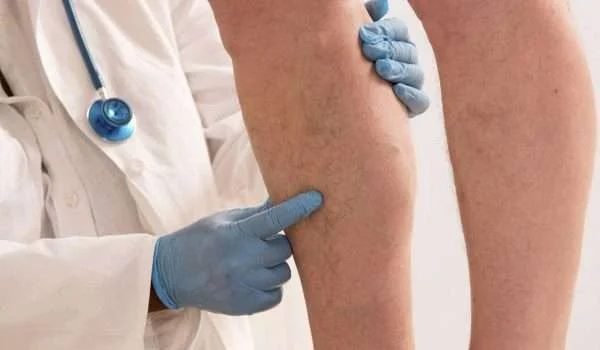
It occurs when the arteries carrying blood to the limbs narrow or become blocked by fatty plaques (atherosclerosis). Blood supply to the muscles — especially in the legs — falls, causing pain and symptoms that worsen over time if untreated.
Early symptoms
- Pain or cramping in the calf muscles on walking that eases with rest (intermittent claudication).
- A cold, pale foot or leg.
- Slow healing of foot wounds.
- Weak foot pulses.
- Numbness or heaviness of the limbs.
Risk factors
It is linked to smoking, diabetes, high blood pressure, high cholesterol and ageing. Smoking and diabetes in particular are among the strongest accelerators of the disease.
Treatment options
- Lifestyle change: stopping smoking, regular walking and controlling risk factors.
- Medication: to improve circulation and prevent clots.
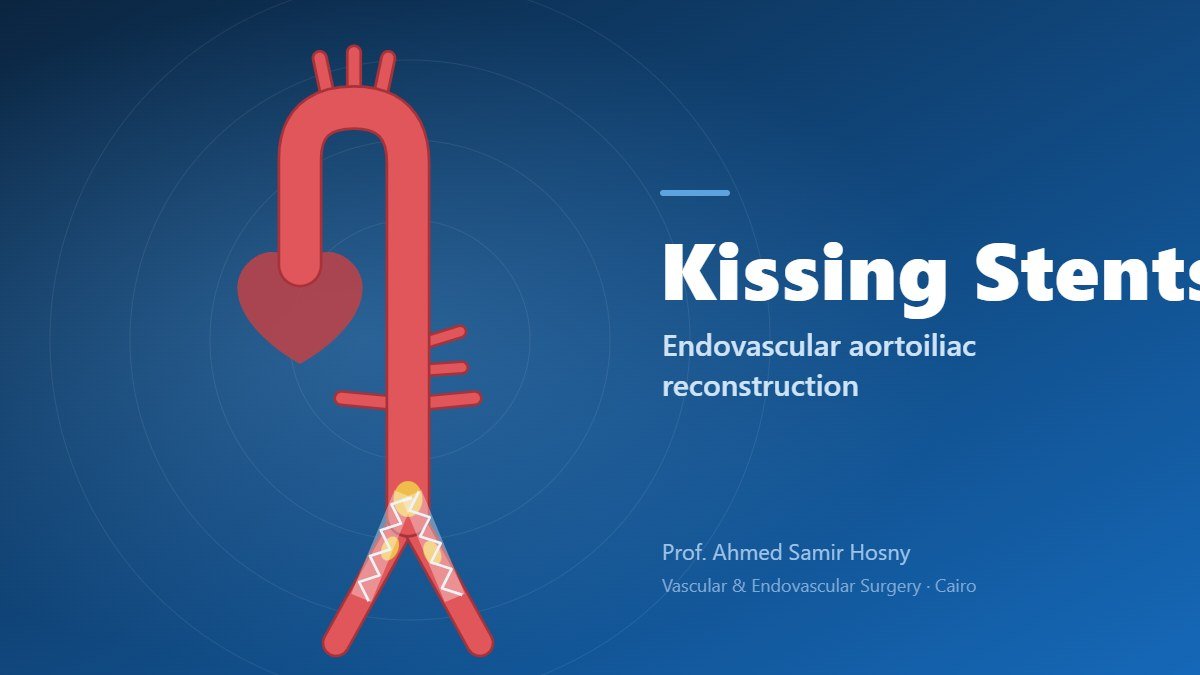
- Angioplasty: widening the artery with a balloon or stent.
- Surgery: bypass grafts for advanced cases.
Frequently asked questions
Is the disease serious?
Neglecting it can lead to serious complications including limb loss, but early treatment is effective.
How is it diagnosed?
By clinical examination, pulse assessment, duplex ultrasound and arterial imaging.
Does walking help?
Yes, regular walking is one of the most important ways to improve circulation.
Can it be cured?
It can be largely controlled with treatment and lifestyle change.
Leg pain on walking is not just fatigue — it may be an early sign of narrowed arteries.

Prof. Ahmed Samir Hosny
Professor of Vascular & Endovascular Surgery — Kasr Al Ainy, Cairo University
Professor of Vascular & Endovascular Surgery at Kasr Al Ainy, Cairo University. Fellowship in peripheral endovascular interventions (Kiel, Germany) and aortic surgery fellowship (Cologne, Germany); Member of the Royal College of Surgeons of Edinburgh.
Meet the doctor