Symptoms
- Pain, fatigue or cramping in the buttocks and thighs, and sometimes calves, when walking, relieved by rest (intermittent claudication).
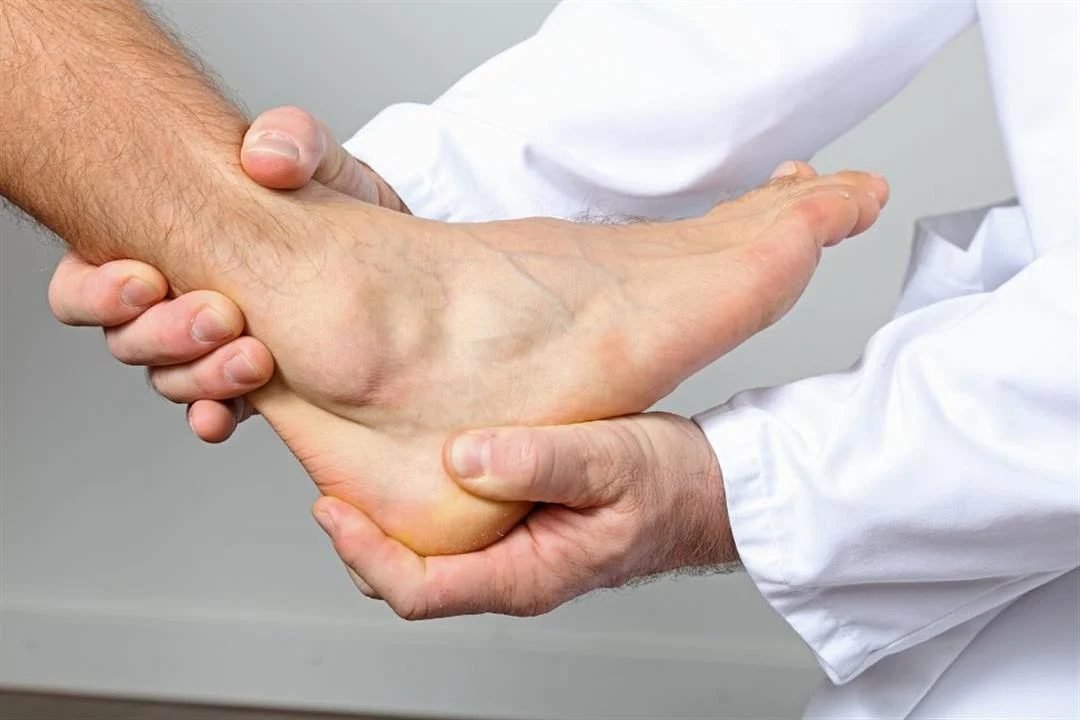
- Weak or absent pulses in the groin.
- Erectile dysfunction in men.
- In advanced cases: foot pain at rest or non-healing wounds.
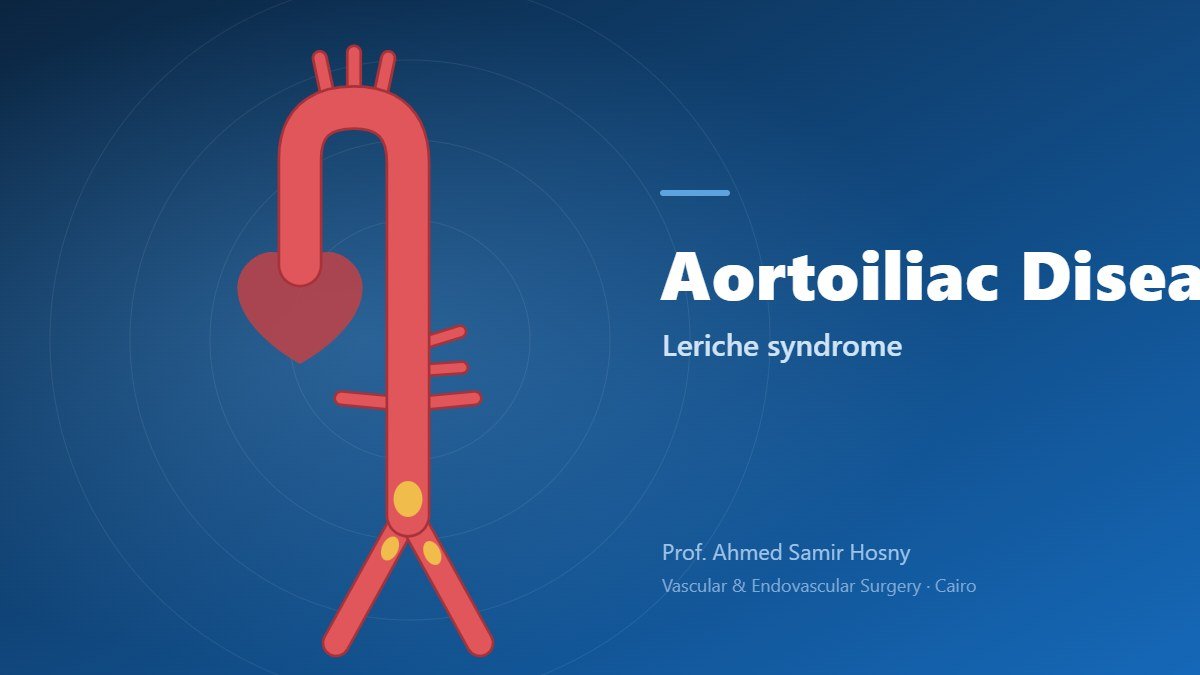
The combination of buttock claudication, weak femoral pulses and erectile dysfunction is known as Leriche syndrome.
Causes and risk factors
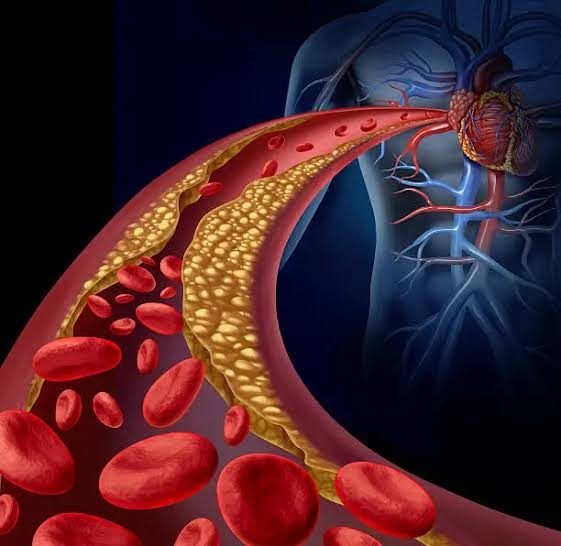
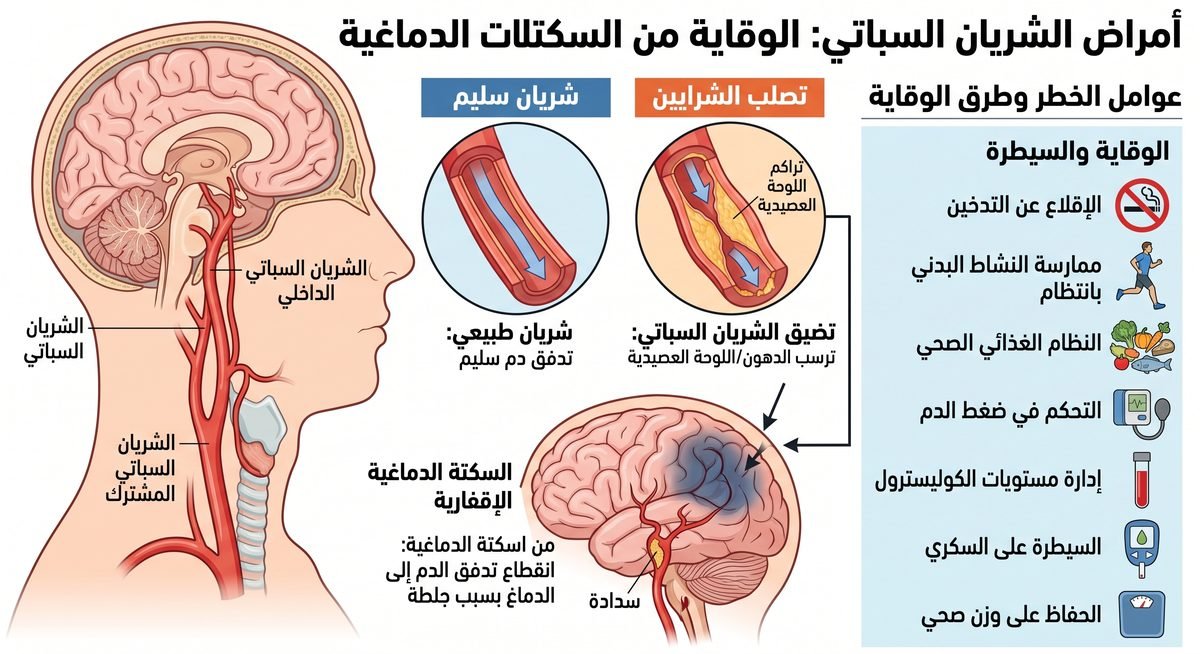
- Smoking — the strongest factor for this disease in particular.
- Diabetes, high cholesterol and high blood pressure.
- A family history of arterial disease.
Diagnosis
- Clinical examination of the pulses and the ankle–brachial index (ABI).
- Duplex ultrasound of the arteries.
- CT angiography to define the location and length of the narrowing and plan treatment.
Treatment
- Medication and lifestyle for everyone: stopping smoking, an antiplatelet, a statin, control of diabetes and blood pressure, and a structured walking programme.
- Angioplasty and stents: now the first-line treatment for most cases, including many long occlusions — such as kissing stents or covered endovascular reconstruction of the aortic bifurcation (CERAB).
- Surgery (aortobifemoral bypass): for very extensive disease or cases unsuitable for stenting, with excellent long-term results.
Frequently asked questions
Is buttock pain on walking always from the back?
No, it may be due to narrowed arteries. Arterial pain appears with walking, eases within minutes of rest and is accompanied by weak pulses.
Does erectile function improve after treatment?
It may improve in some patients once pelvic blood flow is restored, but other causes also play a role.
Is walking helpful despite the pain?
Yes. A regular walking programme increases walking distance and helps collateral vessels develop.
Stopping smoking is the first treatment for blocked arteries — before any stent or surgery.
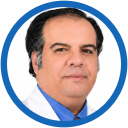
Prof. Ahmed Samir Hosny
Professor of Vascular & Endovascular Surgery — Kasr Al Ainy, Cairo University
Professor of Vascular & Endovascular Surgery at Kasr Al Ainy, Cairo University. Fellowship in peripheral endovascular interventions (Kiel, Germany) and aortic surgery fellowship (Cologne, Germany); Member of the Royal College of Surgeons of Edinburgh.
Meet the doctor