On this page
What is atherosclerosis?
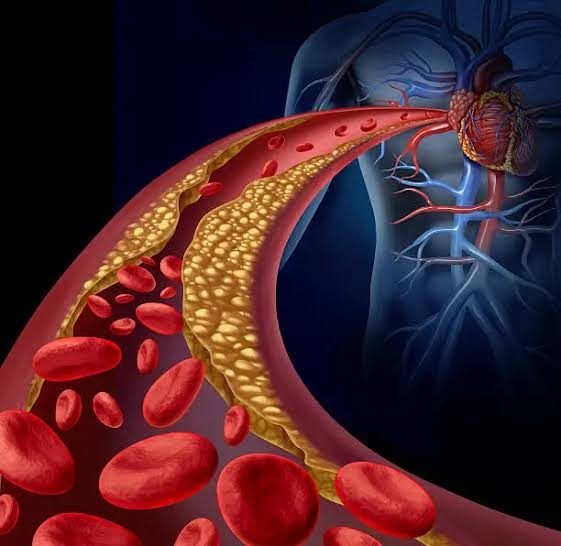
Atherosclerosis is the build-up of fat, cholesterol and other substances on the inner wall of the arteries, forming plaques that narrow the artery and reduce its flexibility. Over time they obstruct blood flow and may rupture, causing clots.
How does it affect the body?
- In the heart arteries: angina and heart attacks.
- In the brain arteries: stroke.
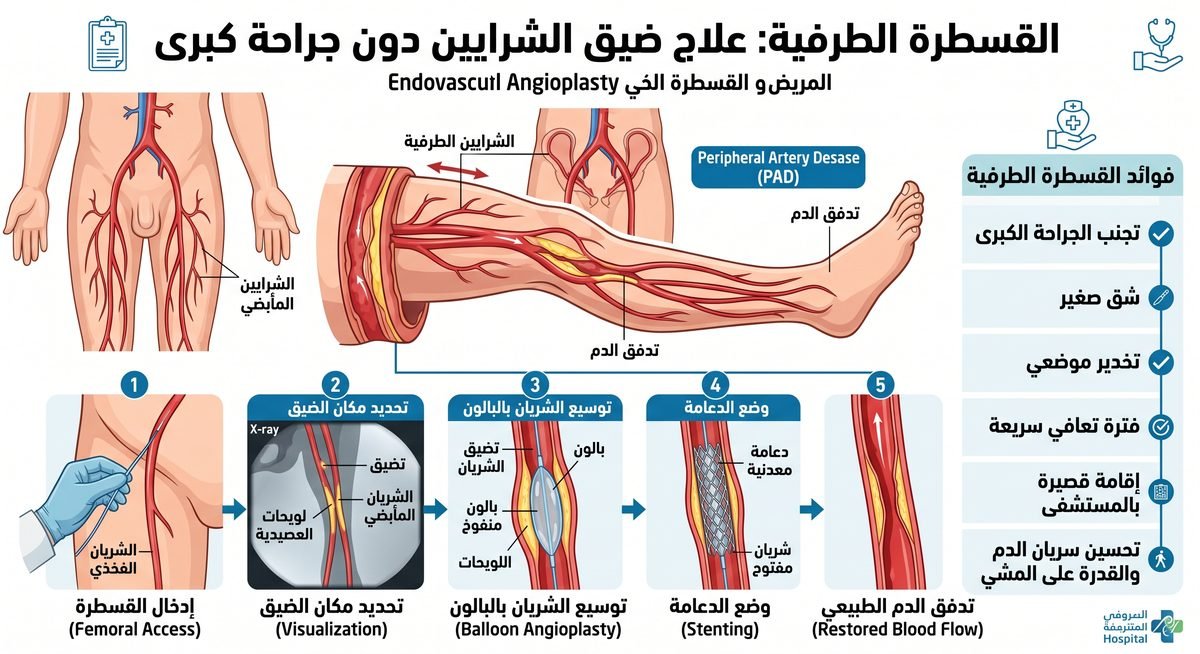
- In the limb arteries: narrowed leg arteries and pain on walking.
- In the aorta: aneurysm and weakening of the wall.
Risk factors
Smoking, high cholesterol, high blood pressure, diabetes, obesity, inactivity and family history all accelerate atherosclerosis — and many of them can be modified.
Prevention and treatment
- Stop smoking: the single most important step.
- Healthy diet: low in saturated fat and salt.
- Regular activity: improves circulation.
- Control blood pressure, sugar and cholesterol: with medication and follow-up.
Frequently asked questions
Can atherosclerosis be reversed?
It can be slowed and largely controlled; prevention is better than cure.
Does it affect young people?
It starts early and can progress silently, so prevention starts young.
How is it detected?
Through blood tests, arterial imaging and assessment of risk factors.
What are its most serious complications?
Heart attack and stroke.
Atherosclerosis starts silently for years — early prevention is the strongest weapon against it.
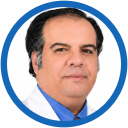
Prof. Ahmed Samir Hosny
Professor of Vascular & Endovascular Surgery — Kasr Al Ainy, Cairo University
Professor of Vascular & Endovascular Surgery at Kasr Al Ainy, Cairo University. Fellowship in peripheral endovascular interventions (Kiel, Germany) and aortic surgery fellowship (Cologne, Germany); Member of the Royal College of Surgeons of Edinburgh.
Meet the doctor