On this page
Tumour or malformation — what is the difference?
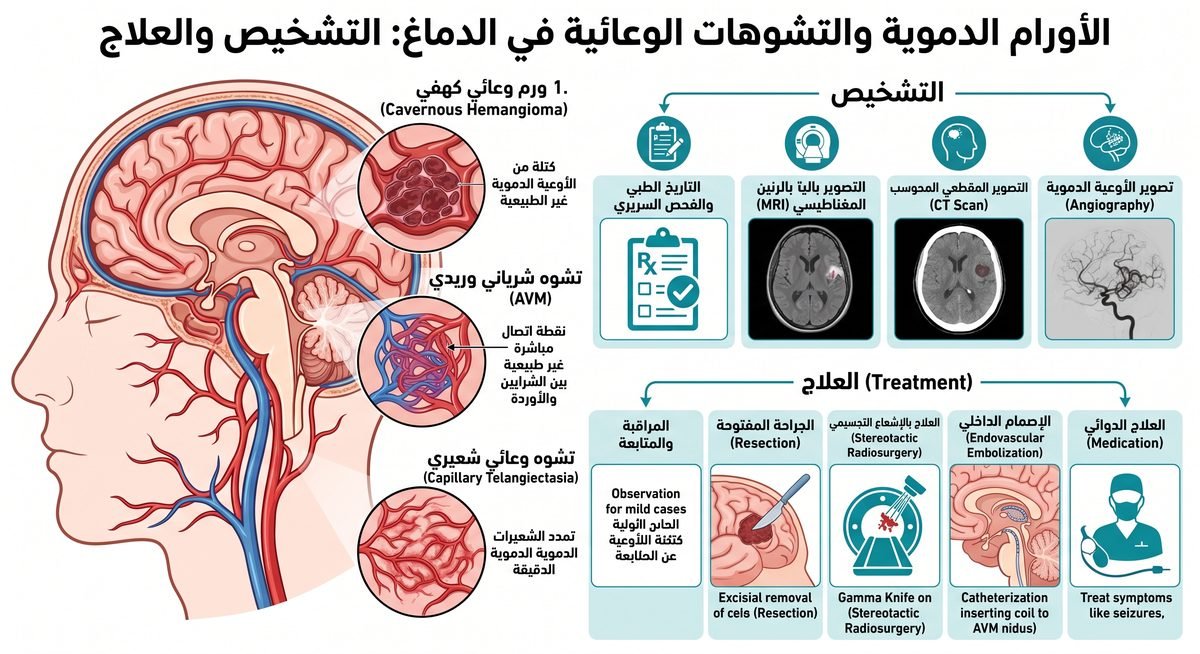
Vascular tumours are an overgrowth of blood-vessel cells, many of them benign, such as the haemangiomas seen in children. Vascular malformations are congenital defects in how vessels form; they are present from birth and grow with the body.
Telling them apart matters because each behaves differently and needs a different treatment.
Types of vascular malformation
- Capillary malformations: red patches on the skin (birthmarks).
- Venous malformations: abnormal, enlarged veins.
- Arteriovenous malformations: abnormal connections between arteries and veins.
- Lymphatic malformations: affecting the lymphatic vessels.
Symptoms and when to worry
Symptoms vary by type and location, from skin discolouration and visible swellings to pain, bleeding or effects on organ function. Some cases are simple and need no intervention, while others require precise treatment, so specialist assessment is essential.
Treatment options
Treatment has advanced considerably, and catheter techniques and local injections are now among the most effective minimally invasive options:
- Observation: for simple cases that need no intervention.
- Sclerotherapy: to close abnormal vessels.
- Embolisation: to treat complex malformations without major surgery.
- Surgery: in selected cases as needed.
Frequently asked questions
Are vascular tumours dangerous?
Most are benign, but accurate diagnosis is essential to identify those that need treatment.
Do they disappear on their own?
Some childhood haemangiomas regress spontaneously, while malformations do not disappear on their own.
Is catheter treatment safe?
Yes, it is among the safest, most effective and least invasive options.
When should I see a doctor?
With swelling, colour change, bleeding or pain.
Not all vascular tumours are alike — accurate diagnosis is the key to the right treatment.
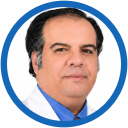
Prof. Ahmed Samir Hosny
Professor of Vascular & Endovascular Surgery — Kasr Al Ainy, Cairo University
Professor of Vascular & Endovascular Surgery at Kasr Al Ainy, Cairo University. Fellowship in peripheral endovascular interventions (Kiel, Germany) and aortic surgery fellowship (Cologne, Germany); Member of the Royal College of Surgeons of Edinburgh.
Meet the doctor