On this page
Why is the arch difficult?
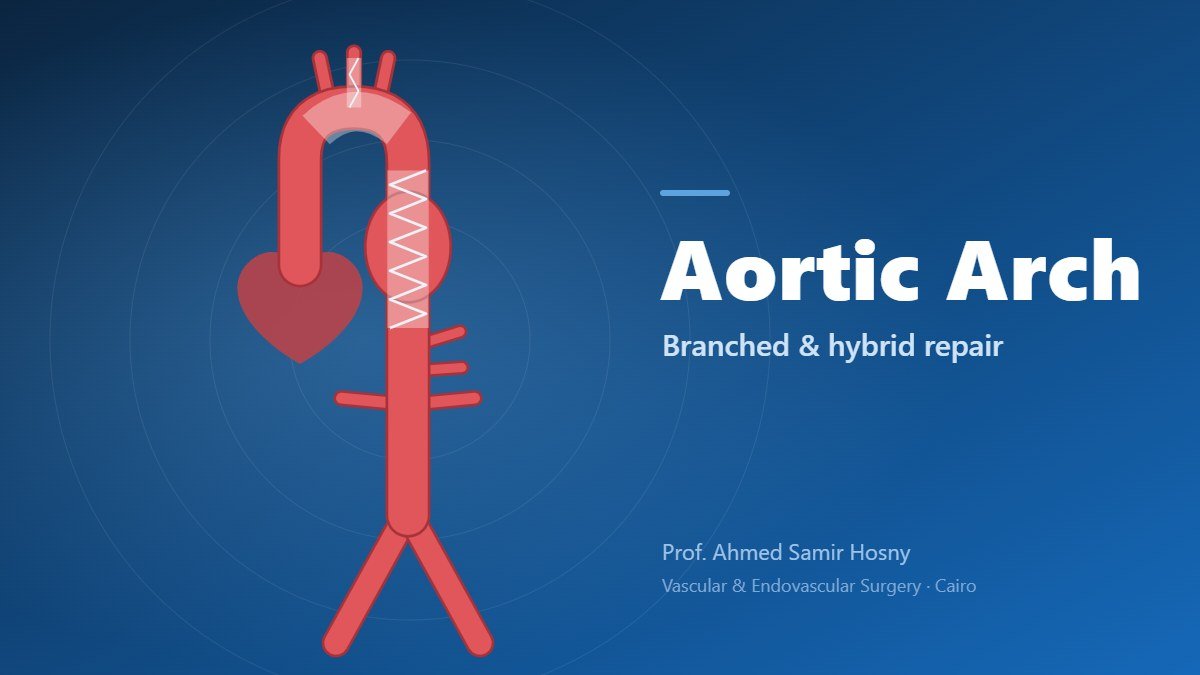
A simple covered stent-graft cannot be placed in the arch because it would block the openings of the carotid and subclavian arteries that supply the brain and arms. Blood flow to these arteries must be maintained while the diseased segment is excluded.
Treatment options
- Open surgery: replacing the arch with a synthetic graft and reconnecting the branches, using heart–lung bypass.
- Hybrid repair (debranching): surgical bypasses re-route the arch branches to another inflow source, followed by a stent-graft that safely covers the arch.
- Branched or fenestrated grafts: devices with built-in branches or openings that direct blood into the arch vessels, used in specialist centres.
- Other techniques such as parallel (chimney) grafts or in-situ fenestration in selected or emergency cases.
Who is suitable for endovascular or hybrid repair?
Usually patients at high risk from open surgery, such as older people, those with heart or lung disease, or patients with previous cardiac surgery. The decision follows detailed CT measurement of diameters and distances between branches and assessment of the brain arteries.
Risks
The main concerns are stroke, spinal cord ischaemia and leaks around the graft. Careful planning and choosing the right technique reduce these risks considerably.
Frequently asked questions
Are all aortic arch cases suitable for endovascular repair?
No. It depends on anatomy and overall health, and open surgery remains the best option for some patients.
What does debranching mean?
Surgically moving the origins of the arch arteries to another location to create a safe landing zone for the stent-graft.
Do branched grafts take time to prepare?
Some devices are custom-made to the patient’s measurements and need manufacturing time, so they are planned in advance in non-urgent cases.
Meticulous CT planning is half the success of any aortic arch intervention.
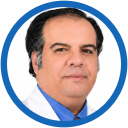
Prof. Ahmed Samir Hosny
Professor of Vascular & Endovascular Surgery — Kasr Al Ainy, Cairo University
Professor of Vascular & Endovascular Surgery at Kasr Al Ainy, Cairo University. Fellowship in peripheral endovascular interventions (Kiel, Germany) and aortic surgery fellowship (Cologne, Germany); Member of the Royal College of Surgeons of Edinburgh.
Meet the doctor