On this page
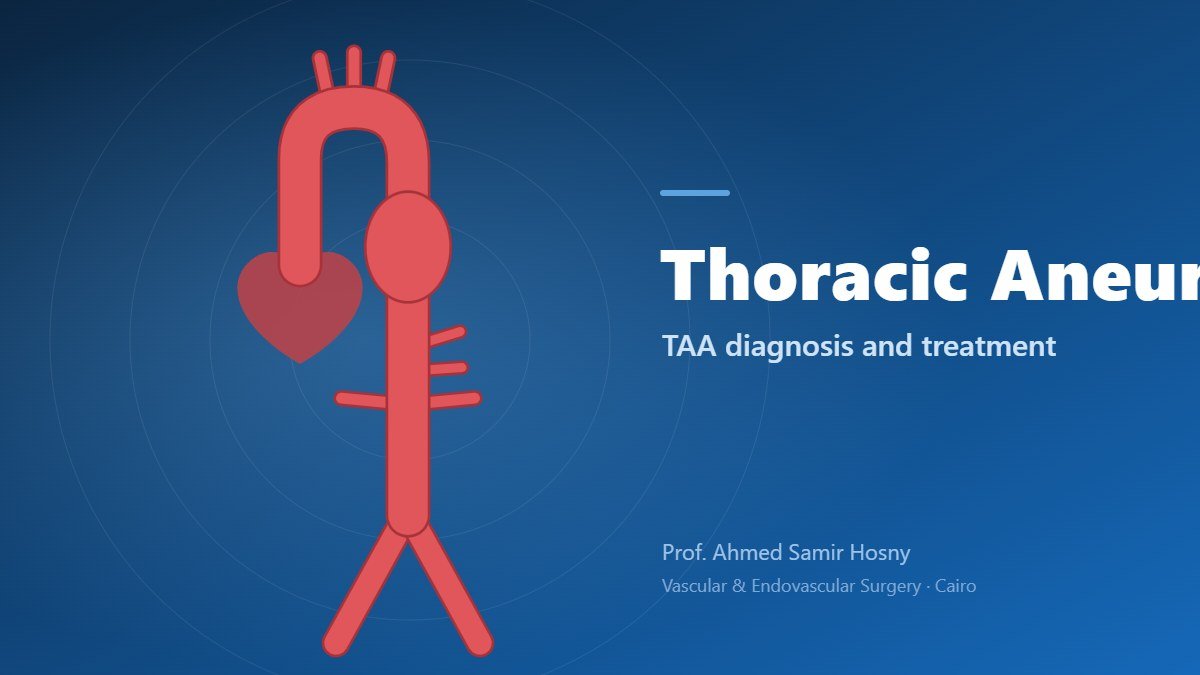
Where does the aneurysm occur?
- Aortic root and ascending aorta: close to the heart, often linked to aortic valve disease and inherited conditions, and treated by cardiac surgeons.
- Aortic arch: where the brain and arm arteries arise.
- Descending aorta: behind the heart along the spine, often treated with TEVAR.
Symptoms
Most patients have no symptoms. As the aneurysm grows, chest or back pain, hoarseness, cough, or difficulty swallowing or breathing may appear. Sudden severe pain may mean dissection or rupture and needs emergency care.
Diagnosis
It is often found incidentally on a chest X-ray, CT scan or echocardiogram. Diagnosis and precise measurement are confirmed with CT angiography or MRI of the aorta.
When do we intervene?
- Ascending aorta: usually at 5.5 cm, and earlier (4.5–5 cm) in Marfan syndrome or bicuspid valve with risk factors or a family history of dissection.
- Descending aorta: usually at 5.5–6 cm.
- With rapid growth or symptoms, regardless of size.
Treatment
Before the threshold: imaging every 6–12 months, blood pressure control, stopping smoking and avoiding intense exertion. When intervention is needed: open surgery to replace the aneurysmal segment, TEVAR for the descending aorta, or hybrid repair for the arch.
Frequently asked questions
Can medication shrink the aneurysm?
Medication does not return the aorta to normal size, but it slows growth and reduces stress on the wall.
How often will I need scans?
Your doctor decides based on size and growth rate — usually every 6 to 12 months.
Can I still exercise?
Light to moderate exercise is usually fine; avoid heavy weightlifting and sudden intense effort.
Regular follow-up turns an aortic aneurysm from a sudden danger into a condition under control.
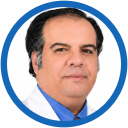
Prof. Ahmed Samir Hosny
Professor of Vascular & Endovascular Surgery — Kasr Al Ainy, Cairo University
Professor of Vascular & Endovascular Surgery at Kasr Al Ainy, Cairo University. Fellowship in peripheral endovascular interventions (Kiel, Germany) and aortic surgery fellowship (Cologne, Germany); Member of the Royal College of Surgeons of Edinburgh.
Meet the doctor