On this page
Blood pressure: the top priority
- The usual target is a systolic pressure below 120–130 mmHg with a calm heart rate, as advised by your doctor.
- Measure your blood pressure regularly at home and keep a record for your visits.
- Never stop a blood pressure medicine on your own, even if readings are good.
- Reduce salt and avoid excess stimulants and energy drinks.
Activity and exercise
- Walking, gentle swimming and light cycling are very beneficial.
- Avoid heavy weightlifting and exercises that involve breath-holding and straining.
- Avoid contact and highly competitive sports.
- A simple rule: you should be able to talk comfortably while exercising.
Regular imaging
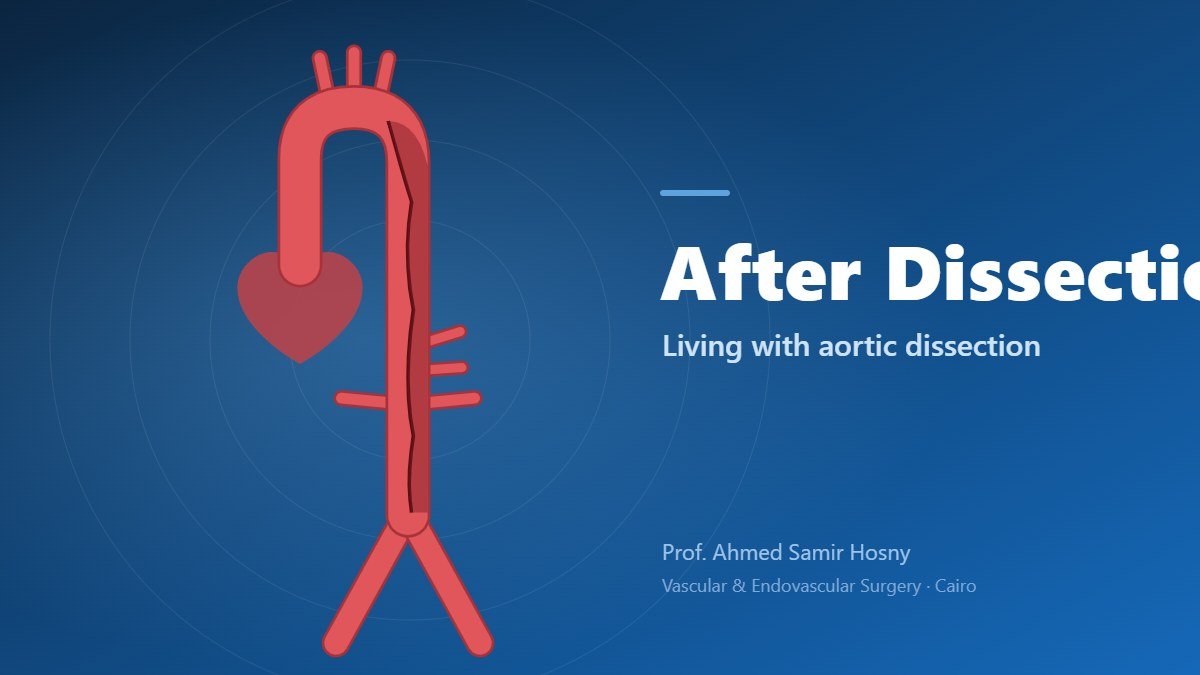
CT or MRI of the aorta is performed at intervals set by your doctor — usually during the first months and then yearly — to monitor the aortic diameter and the false lumen. Any enlargement may prompt early intervention before complications develop.
Screening family members
If dissection occurred at a young age, with a family history or signs of connective tissue disease, genetic assessment and screening of first-degree relatives with echocardiography or imaging is recommended, because detecting an aneurysm early in them can save lives.
When to go to the emergency department
- New sudden severe chest, back or abdominal pain.
- Fainting or severe shortness of breath.
- Weakness or numbness of the limbs, or stroke symptoms.
Frequently asked questions
Can I go back to work?
Usually yes, avoiding work that involves intense physical effort or heavy lifting.
Will I need medication for life?
Usually yes, especially blood pressure medication, which is the first line of defence for the aorta.
Can dissection happen again?
It can, but blood pressure control and regular follow-up reduce the risk considerably.
A home blood pressure monitor is the aorta’s best friend after a dissection.
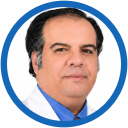
Prof. Ahmed Samir Hosny
Professor of Vascular & Endovascular Surgery — Kasr Al Ainy, Cairo University
Professor of Vascular & Endovascular Surgery at Kasr Al Ainy, Cairo University. Fellowship in peripheral endovascular interventions (Kiel, Germany) and aortic surgery fellowship (Cologne, Germany); Member of the Royal College of Surgeons of Edinburgh.
Meet the doctor