On this page
The first days in hospital
- Close monitoring in intensive care, usually for 24 hours: blood pressure, pulse, and leg movement and sensation.
- Blood pressure is kept from dropping too low to protect spinal cord blood flow.
- If a spinal drain was placed, it is usually removed within one to three days.
- Sitting up and then walking typically start the next day.
Going home
Most patients leave hospital within two to five days after planned procedures. Some tiredness for a few weeks is normal. Gradual daily walking is encouraged; avoid heavy lifting for about two weeks or as advised, and care for the groin access site.
Medication and healthy habits
- Take blood pressure medication regularly — well-controlled pressure is the most important protection for the aorta.
- Antiplatelet and statin therapy as appropriate.
- Stop smoking completely.
- A healthy, low-salt diet and good diabetes control.
Imaging follow-up
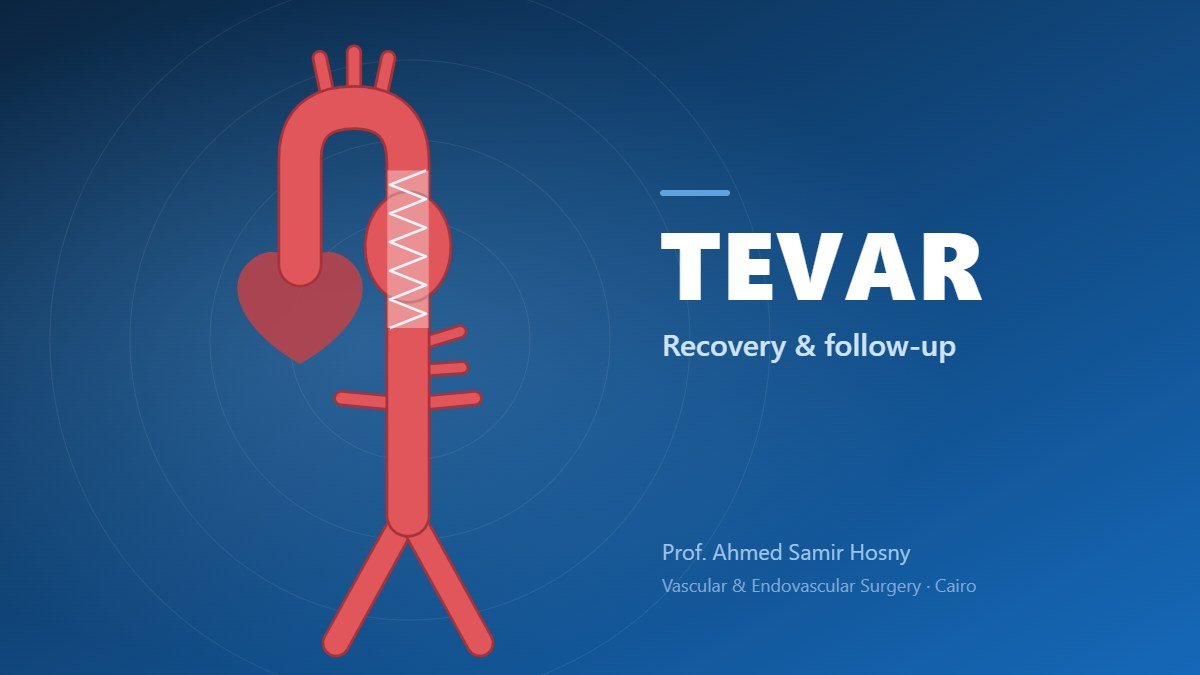
A CT angiogram at about one month, then at 6–12 months and usually yearly after that. Imaging confirms that the graft is stable, that the aneurysm is shrinking or the dissection is healing, and that there is no leak.
Signs that need emergency care
- New weakness or numbness of the legs, or loss of bladder control.
- Sudden severe chest, back or abdominal pain.
- Weakness on one side of the body, difficulty speaking or visual disturbance.
- Rapid swelling or bleeding at the groin site.
Frequently asked questions
When can I return to work?
Desk work usually after about two weeks; physically demanding work after 4–6 weeks depending on your case.
Can I travel by plane?
Usually after two to four weeks, after checking with your doctor.
Does the stent-graft prevent MRI scans?
Most modern grafts are MRI-safe under specific conditions; show your device card to the radiology team.
Blood pressure control, no smoking and regular scans — three secrets to long-term stent-graft success.
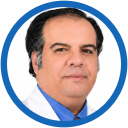
Prof. Ahmed Samir Hosny
Professor of Vascular & Endovascular Surgery — Kasr Al Ainy, Cairo University
Professor of Vascular & Endovascular Surgery at Kasr Al Ainy, Cairo University. Fellowship in peripheral endovascular interventions (Kiel, Germany) and aortic surgery fellowship (Cologne, Germany); Member of the Royal College of Surgeons of Edinburgh.
Meet the doctor