On this page
Signs of poor circulation
- Cold feet and hands.
- Numbness or tingling in the limbs.
- Change in skin colour or pallor.
- Slow wound healing.
- Pain on walking that eases with rest.
Causes
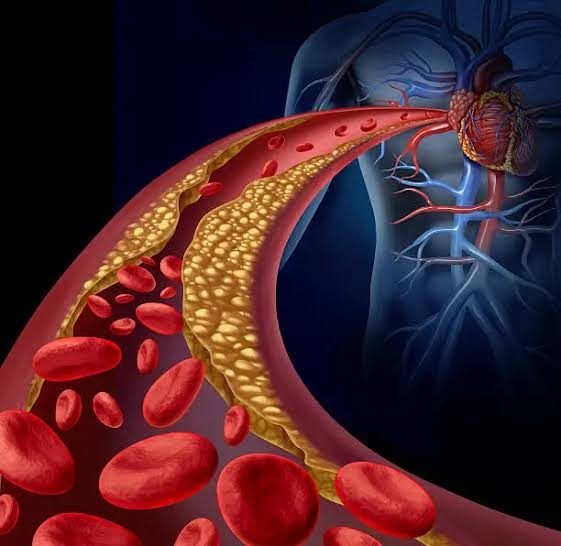
The most common cause is narrowed arteries due to atherosclerosis, especially in smokers and people with diabetes or high blood pressure. It may also be linked to venous problems or other general conditions.
How to improve circulation
- Stop smoking: improves blood flow directly.
- Walk regularly: stimulates the circulation.
- Control sugar, blood pressure and cholesterol.
- Specialist assessment: to treat any arterial narrowing.
When do you need specialist treatment?
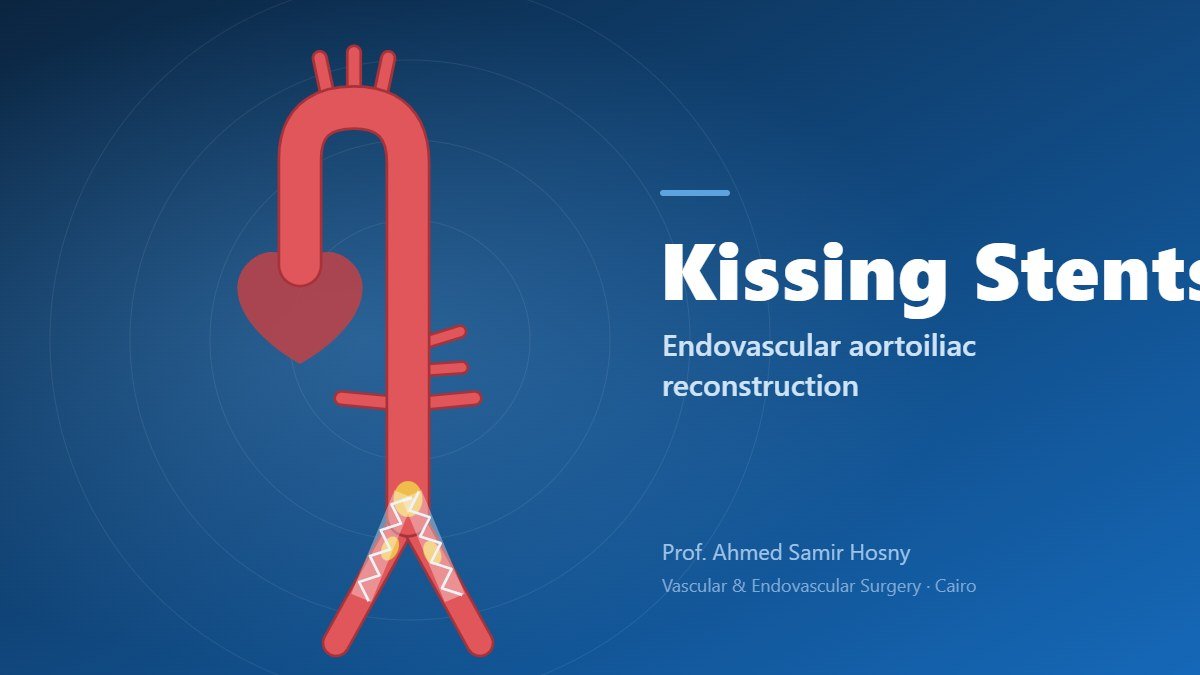
With persistent pain, non-healing wounds or a clear change in colour, the arteries should be assessed. Angioplasty may be needed to restore blood flow and prevent complications.
Frequently asked questions
Is poor circulation dangerous?
It may signal narrowed arteries that need treatment to avoid complications.
Does walking help?
Yes, it is one of the best ways to improve blood flow.
Is it linked to diabetes?
Yes, diabetes is one of its main causes.
When should I see a doctor?
When symptoms persist or wounds do not heal.
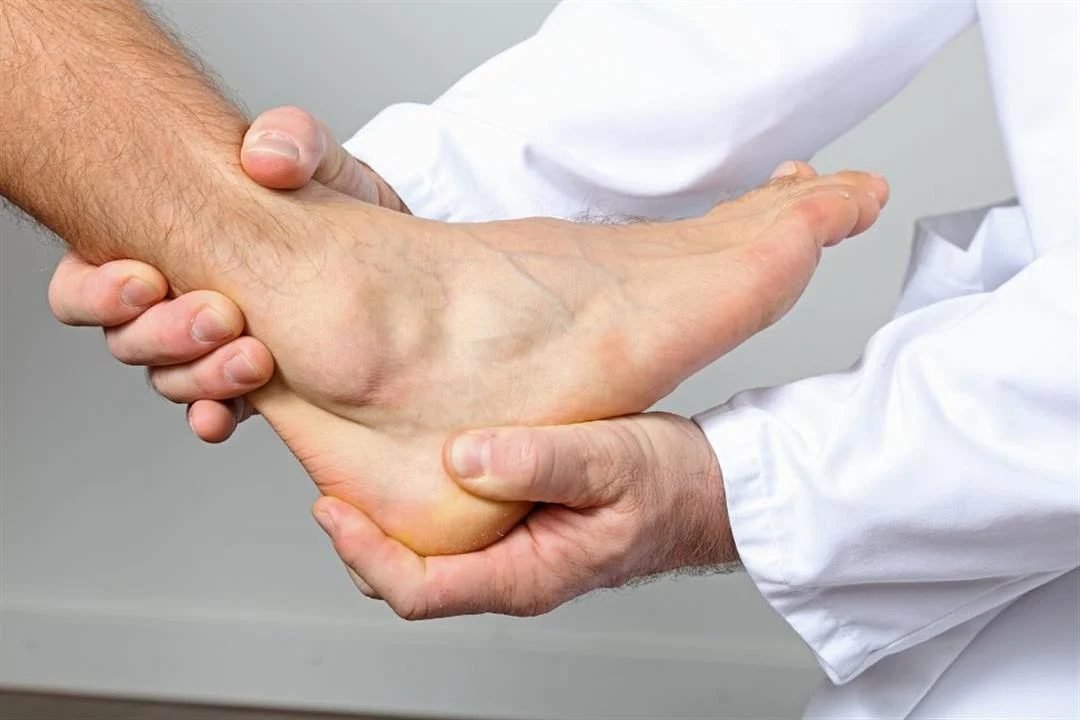
Persistently cold feet and tingling may be the first sign of poor blood supply.

Prof. Ahmed Samir Hosny
Professor of Vascular & Endovascular Surgery — Kasr Al Ainy, Cairo University
Professor of Vascular & Endovascular Surgery at Kasr Al Ainy, Cairo University. Fellowship in peripheral endovascular interventions (Kiel, Germany) and aortic surgery fellowship (Cologne, Germany); Member of the Royal College of Surgeons of Edinburgh.
Meet the doctor