On this page
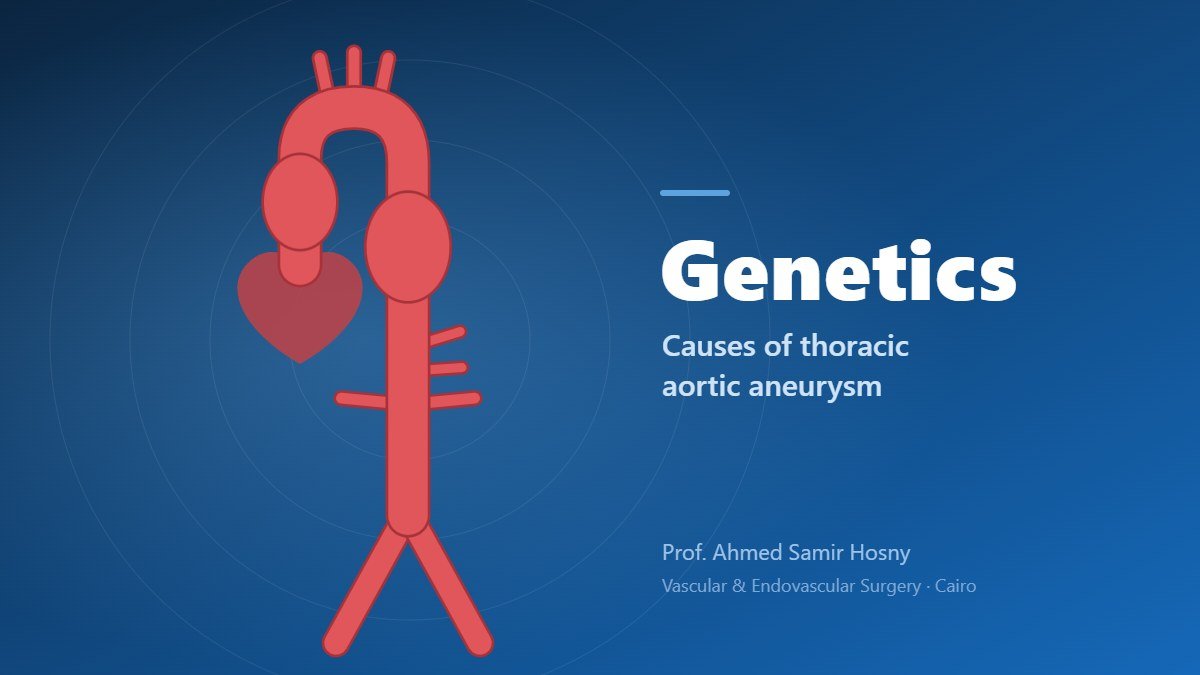
Inherited causes
- Marfan syndrome: a defect in the protein fibrillin that weakens connective tissue, often with tall stature, long limbs and eye-lens problems.
- Loeys–Dietz syndrome: aneurysm and dissection can occur at smaller diameters, so intervention is earlier.
- Vascular Ehlers–Danlos syndrome: marked fragility of the arterial wall.
- Turner syndrome in women.
- Familial thoracic aortic aneurysm without a defined syndrome.
Bicuspid aortic valve
The most common congenital heart defect: the valve has two leaflets instead of three. It is associated with a higher risk of ascending aortic aneurysm, so people with it need regular measurement of the aorta even when the valve works well.
Acquired causes
- Long-standing high blood pressure.
- Atherosclerosis and smoking.
- Chronic aortic dissection.
- Inflammation such as giant cell arteritis or Takayasu disease, and rarely infection.
- Severe trauma, such as car accidents.
Who needs early screening?
- First-degree relatives of patients with thoracic aneurysm or dissection.
- People with a bicuspid aortic valve.
- Anyone with features of Marfan syndrome or connective tissue disease.
Screening is usually by echocardiography, completed with CT or MRI when needed.
Frequently asked questions
Is genetic testing available?
Yes. In selected cases genetic testing helps identify the cause, guide family screening and time treatment.
Can certain medicines raise the risk?
Some studies have linked fluoroquinolone antibiotics to a higher risk in susceptible people; tell your doctor about an aneurysm before any prescription.
Is pregnancy safe with an aortic aneurysm?
It needs specialist assessment before pregnancy, especially in inherited conditions, because pregnancy increases stress on the aorta.
An aortic aneurysm in one family member is a message to check the others — do not ignore it.
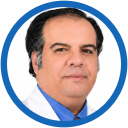
Prof. Ahmed Samir Hosny
Professor of Vascular & Endovascular Surgery — Kasr Al Ainy, Cairo University
Professor of Vascular & Endovascular Surgery at Kasr Al Ainy, Cairo University. Fellowship in peripheral endovascular interventions (Kiel, Germany) and aortic surgery fellowship (Cologne, Germany); Member of the Royal College of Surgeons of Edinburgh.
Meet the doctor